
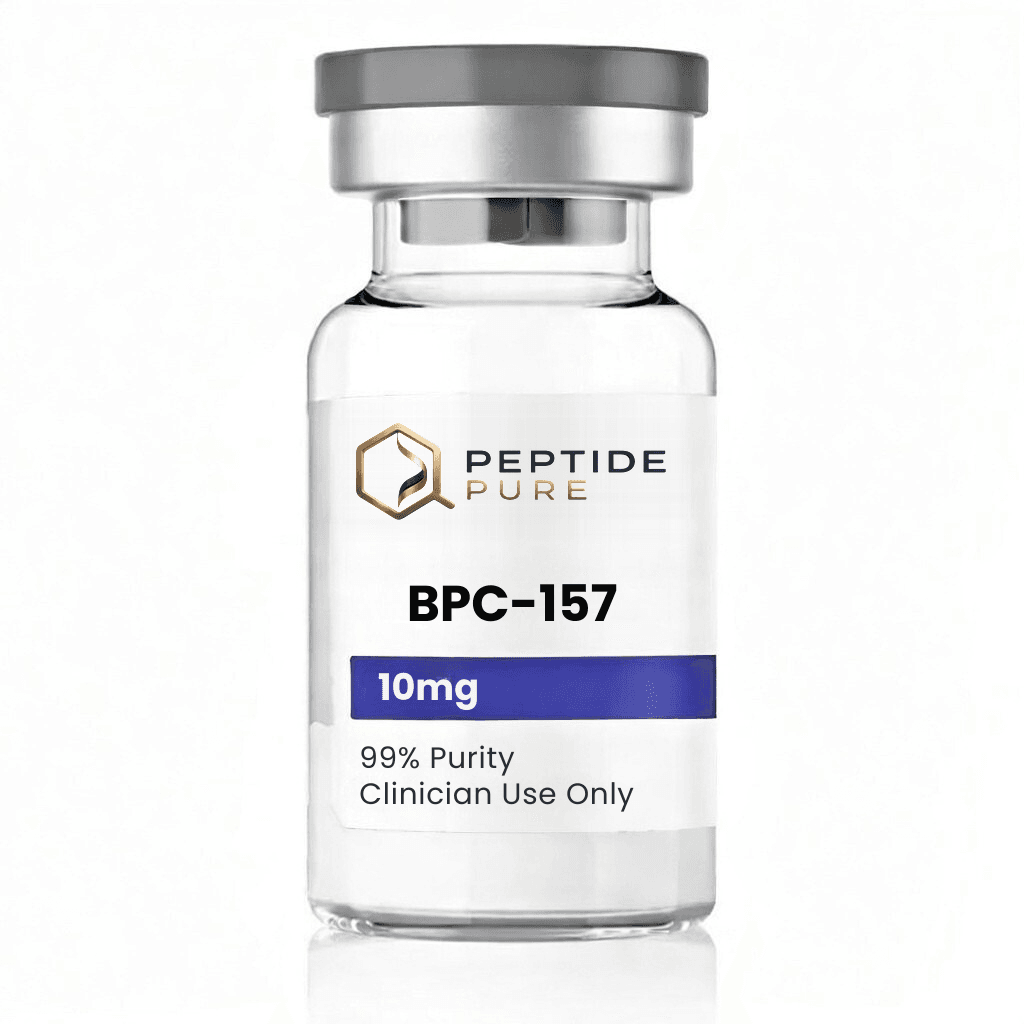
BPC-157
10mg · 2ml
SKU: bpc-157-10mg
BPC-157 (Body Protection Compound-157) is a synthetic pentadecapeptide studied for its role in tissue repair, particularly in soft tissue, GI mucosal, tendon, ligament, and muscle injury models. Its proposed mechanism involves nitric oxide signaling and angiogenesis-related pathways to modulate inflammation and promote healing.
Available Options
Product Specifications
Strength
10mg
Volume / Qty
2ml
Form
Lyophilized Powder
Suggested Retail Price
$75.00
Dosing Guide
Recommended Dose
250-500 mcg daily; 1-2 mg for acute injury
Route
Subcutaneous or direct into target site
Frequency
Once daily or divided BID
Clinician Access Required
Sign in to view clinician pricing & place orders
BPC-157 is available exclusively to verified clinicians under IRB-approved research protocol PPRN-001-2025.
IRB-Approved Research Protocol
PPRN-001-2025 ·IRCM-2025-467
Approved December 3, 2025 · Principal Investigator: Dr. M. Scott Mortensen, MD, MPAS, MLT
Save up to 80% with the 5,000 Foundation Bundle
BPC-157 is included in this clinic-tier package. Bundle includes weight loss (tirz & reta) + longevity/repair (mots-c, ghk-cu, bpc-157, epithalon) with 1 free Tirz 15mg as a bonus.
Most popular
Also frequently ordered
What other clinicians put in the same cart.
For Clinicians
Clinical Reference
Pharmacology, safety, monitoring, and dosing reference for BPC-157. Always individualize based on patient context.
Mechanism of Action
Receptor / Target
Stable gastric pentadecapeptide; modulates VEGFR2, eNOS, and growth factor pathways
Half-Life
~30 minutes (subcutaneous)
Onset of Action
24–72 hours for tissue effects
Metabolism
Pentadecapeptide; resistant to gastric acid degradation
Cautions & Contraindications
Contraindicated In
- Active malignancy (theoretical concern with angiogenic peptides)
- Known hypersensitivity to BPC-157
Use Caution With
- Pregnancy and lactation (insufficient safety data)
- Patients with history of solid tumors — discuss risk/benefit
- Limit cycle to 4–8 weeks; avoid continuous chronic use
Suggested Labs to Monitor
CBC with differential
Baseline / 8 weeksBaseline and follow-up to monitor for changes during therapy.
Comprehensive Metabolic Panel
Baseline / 8 weeksLiver and kidney function during peptide therapy.
hs-CRP
Baseline / 4 weeksTrack systemic inflammation reduction with regenerative peptide therapy.
Lab interpretation guidance comes from peer-reviewed literature. Always individualize based on patient context.
Plumb DISCOVER
What BPC-157 targets
Patient goals, biomarkers, and wearable signals this peptide addresses. Powers the future Plumb AI protocol engine.
Patient Goals
Biomarkers Tracked
Wearable Signals
Peptide Buzz™
Gut Healing Powder
Coming soon to Peptide Buzz
Daily Wellness Alternative
Prefer a daily product over injection?
Daily oral gut-support blend formulated to complement BPC-157 protocols.
Essential Protocol Packages
BPC-157 is part of 2 clinical protocols
Bundle this peptide with synergistic compounds at clinic-tier pricing.
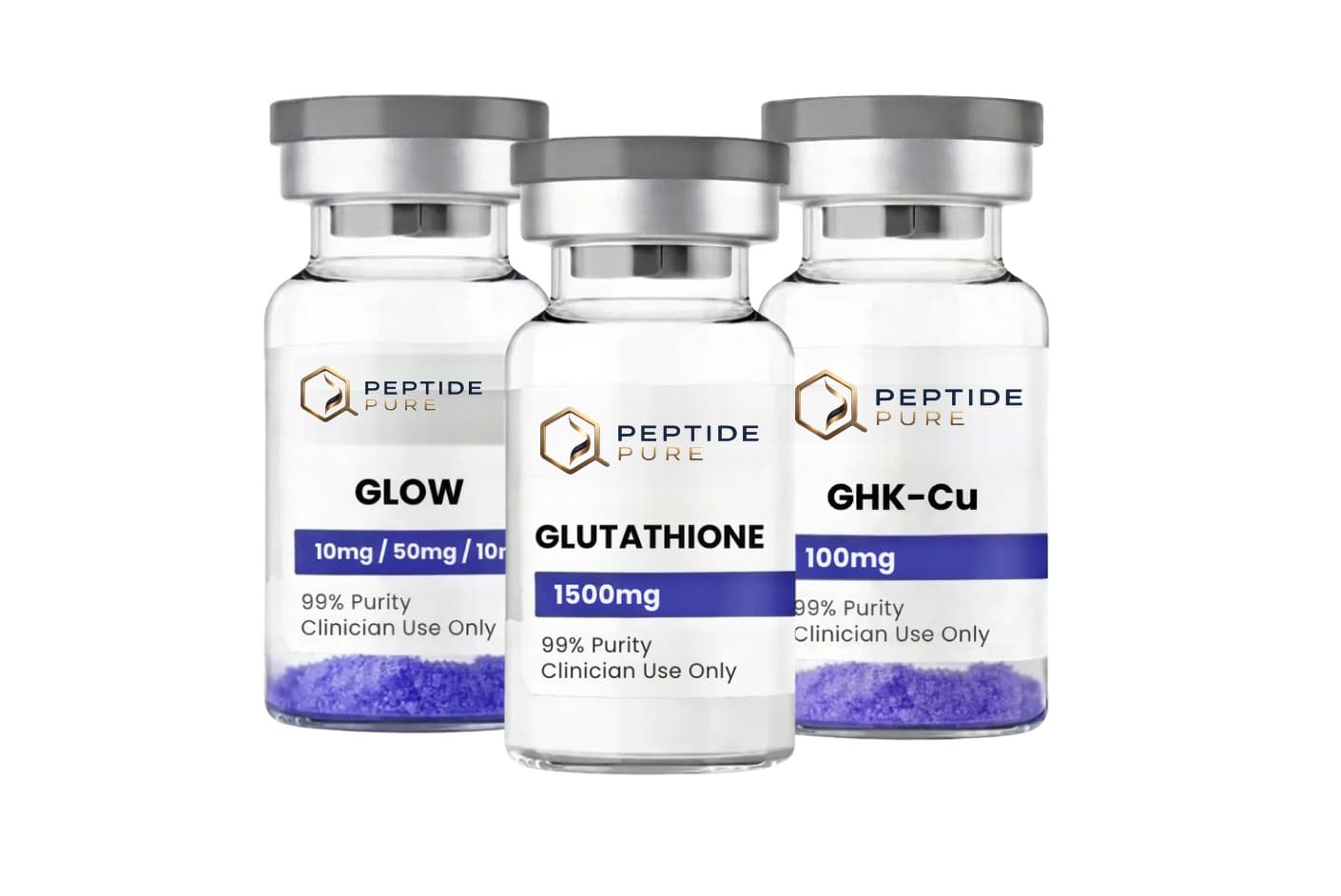
Aesthetic & Tissue Regeneration Comparison Protocol
Compare multi-peptide regenerative formulation (GLOW) vs higher-dose GHK-Cu monotherapy, with optional glutathione support.
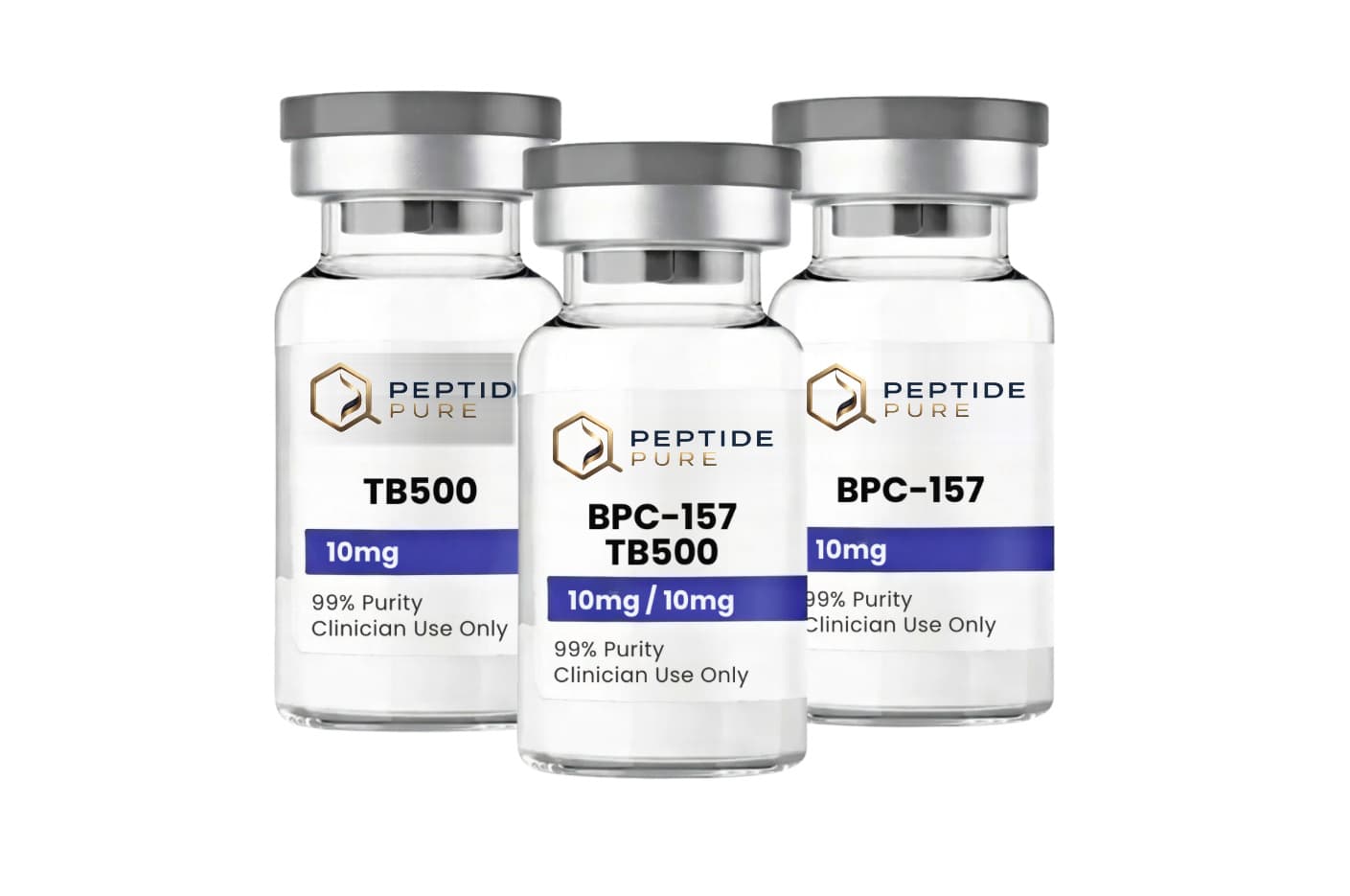
Soft-Tissue Repair & Regenerative Support Protocol
Focused tissue repair protocol combining BPC-157 and TB-500 for musculoskeletal and soft-tissue recovery.
Clinical Synergy
Frequently stacked with BPC-157
Peptides commonly combined with BPC-157 for synergistic clinical outcomes.
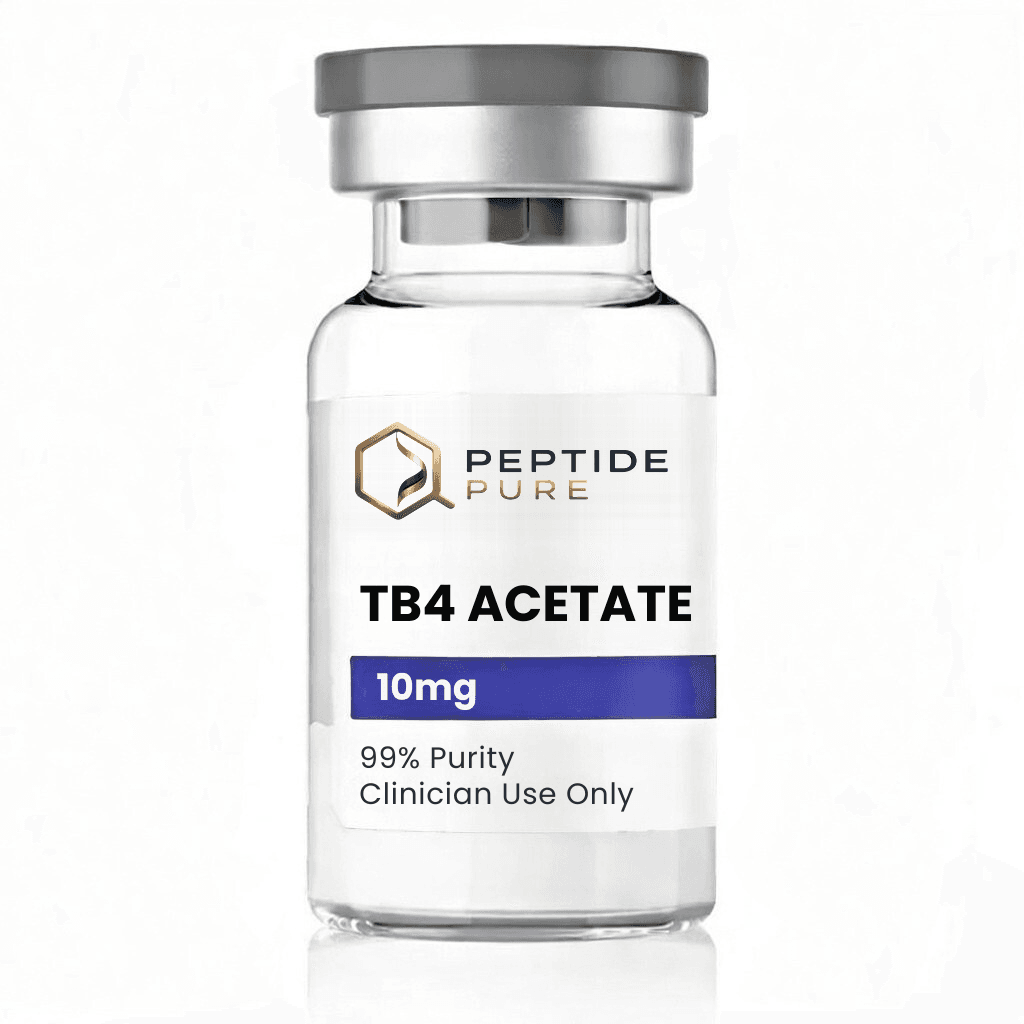
TB4 (TB-500)
Combined with TB-500 for accelerated soft-tissue repair and angiogenesis.
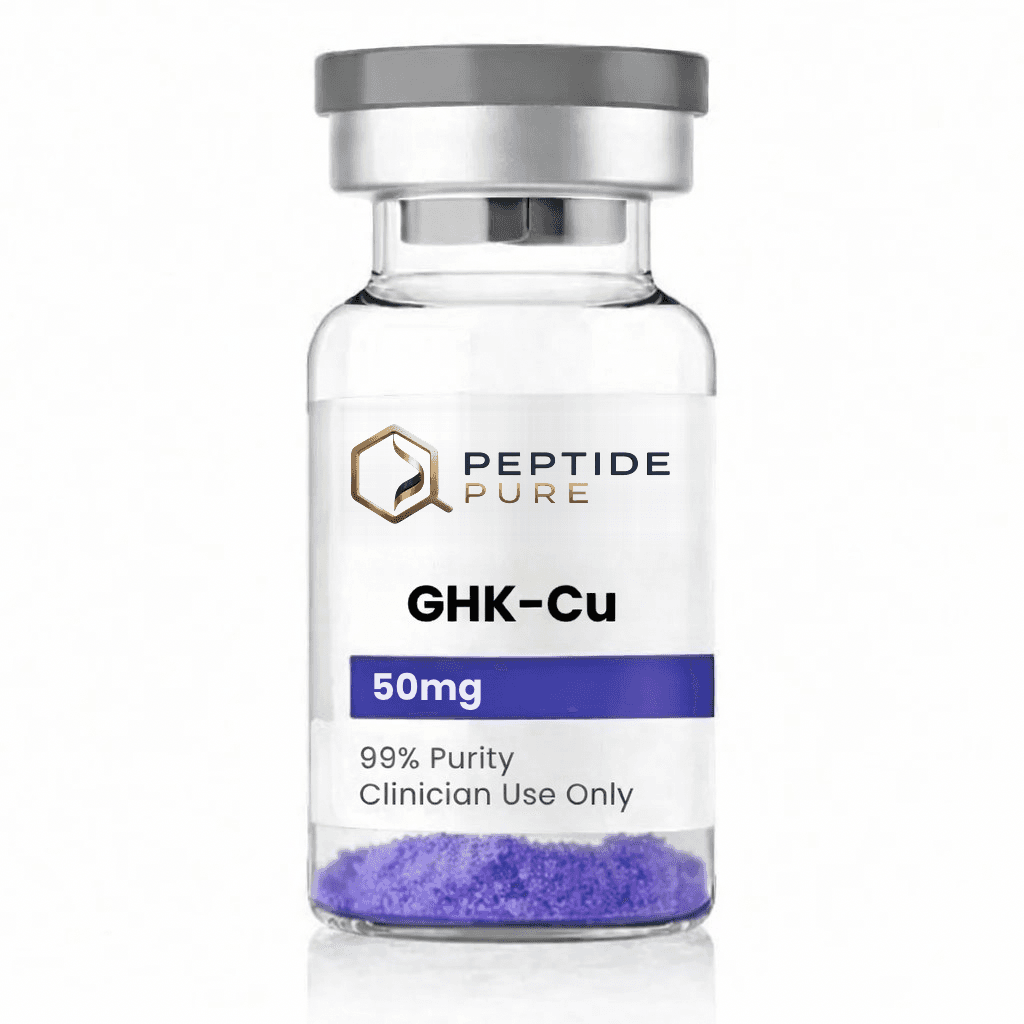
GHK-Cu
Adds copper-mediated remodeling and collagen synthesis to the repair stack.
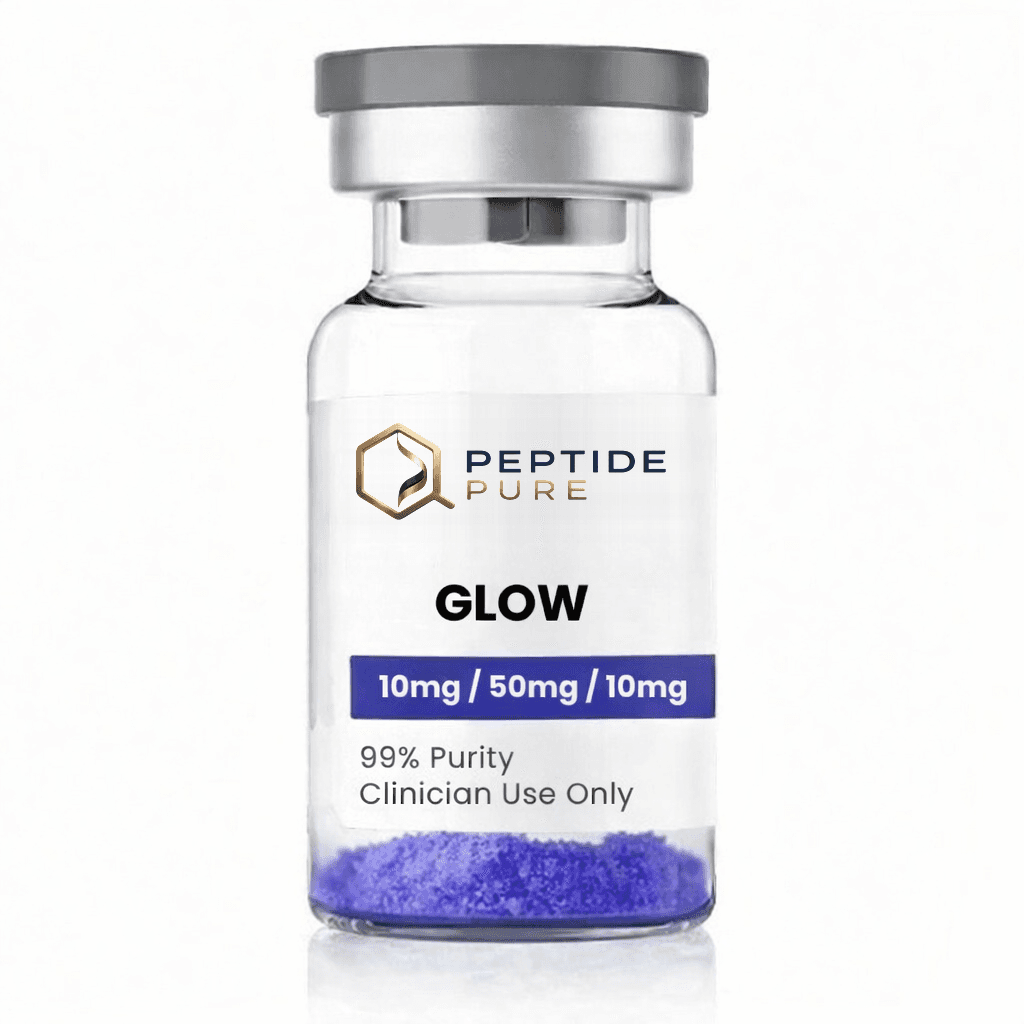
GLOW
Pre-blended GLOW formulation includes BPC-157 + GHK-Cu + TB-500 in clinical ratio.
Related Products
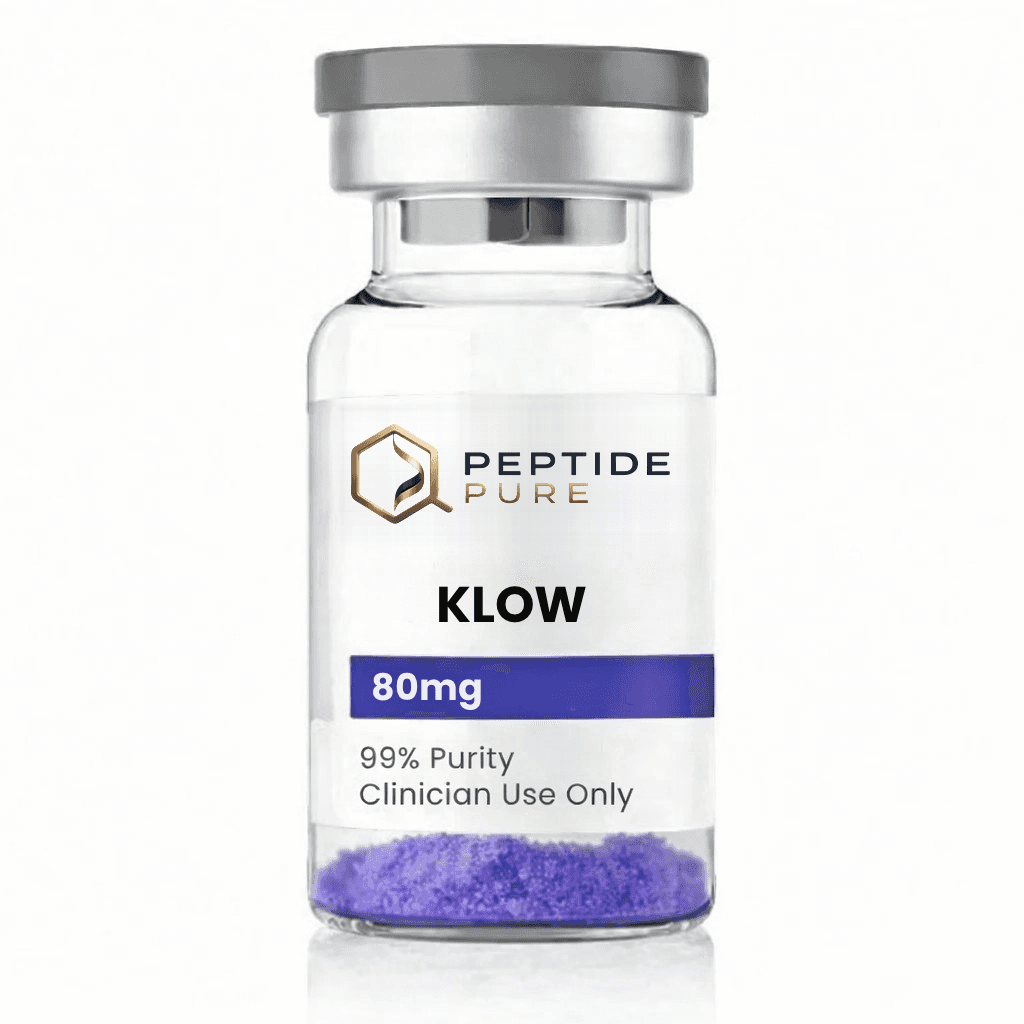
KLOW 80mg
Quad-blend of TB-500, BPC-157, GHK-Cu, and KPV for advanced tissue repair and immune support.
View Details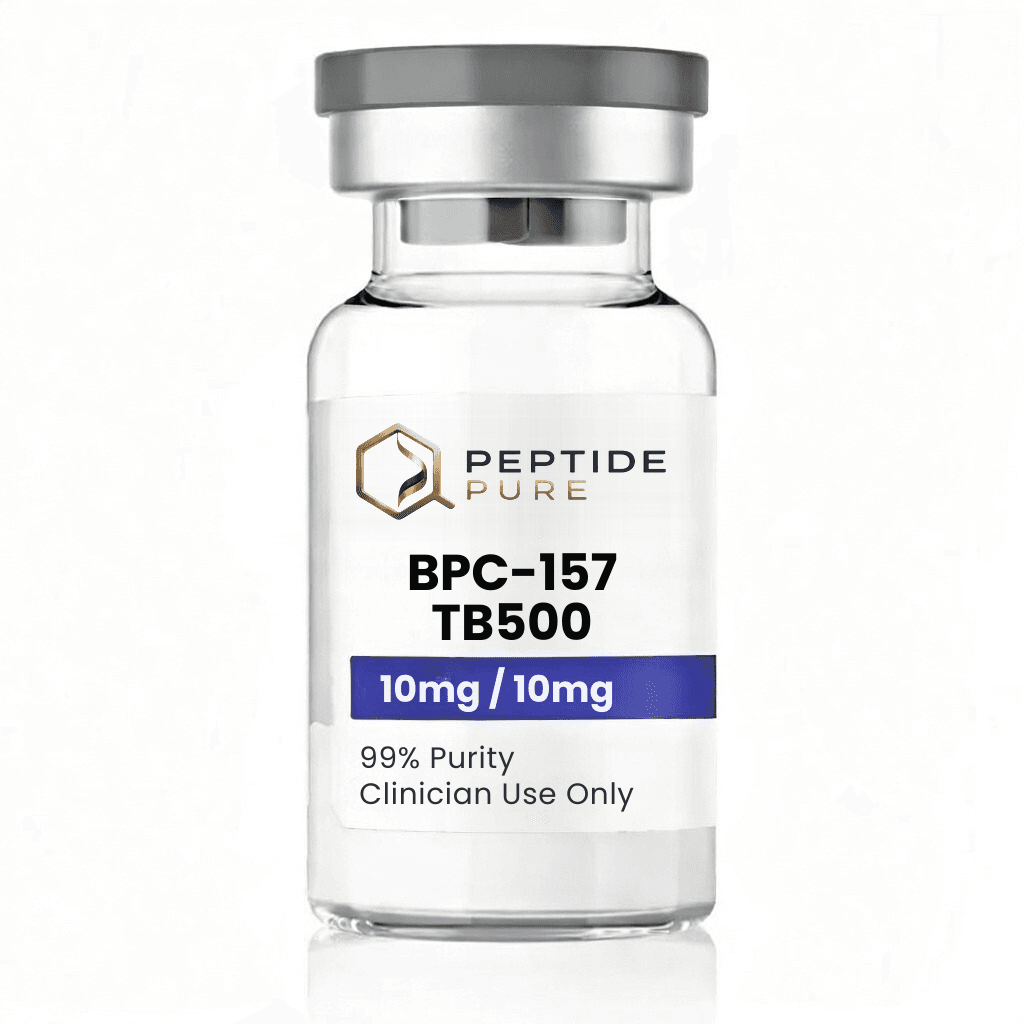
BPC-157/TB500 20mg
BPC-157 (Body Protection Compound-157) is a synthetic pentadecapeptide studied for its role in tissue repair, particularly in soft tissue, GI mucosal, tendon, ligament, and muscle injury models. Its proposed mechanism involves nitric oxide signaling and angiogenesis-related pathways to modulate inflammation and promote healing.
View DetailsTB4 (TB-500) 10mg
TB-500 (Thymosin Beta-4) is a peptide derived from the naturally occurring Thymosin Beta-4 protein that plays a key role in cell migration, tissue regeneration, and inflammation reduction. It operates through actin sequestration to facilitate cellular migration to injury sites, promote angiogenesis, and enhance tissue remodeling.
View Details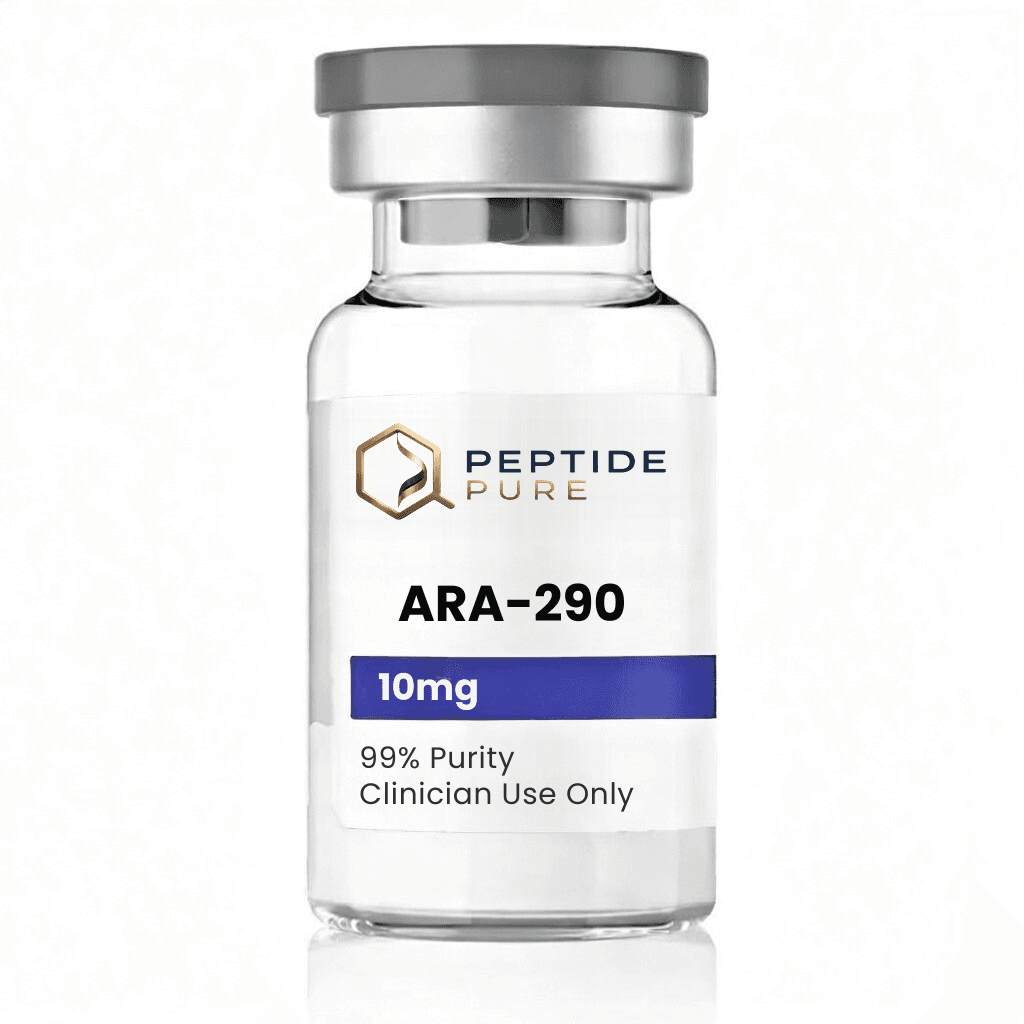
ARA-290 10mg
Erythropoietin-derived peptide with anti-inflammatory and tissue-protective properties.
View Details